





The decision that could transform your business
If you are an installer or technical manager in the professional refrigeration sector, chances are you have seen first-hand how choosing the wrong system can directly impact your clients’ results. It may have happened to you: you select a unit because it “does the job”, only to discover later that it consumes more energy than expected, fails to maintain a stable temperature, or develops recurring faults.
This not only frustrates the customer, but also puts your technical reputation at stake.
Today, selecting a refrigeration system is no longer simply about choosing one that cools. It is a strategic decision that affects energy efficiency, equipment durability, and the quality of product preservation. If the choice is not the right one, both you and your client will notice it in the energy bill and in the condition of the stored products.
What technologies are available and how do they work?
Before making a decision, it is essential to understand the main technologies available on the market and how they operate.
In conventional systems with ON-OFF compressors, the unit operates much like a switch:
- the compressor starts and runs at full power until the target temperature is reached
- once that temperature is achieved, the system shuts down completely
- when the temperature rises again, the compressor starts from zero once more
This mode of operation creates repeated start–stop cycles, each of which requires a significant surge of energy when the compressor restarts.
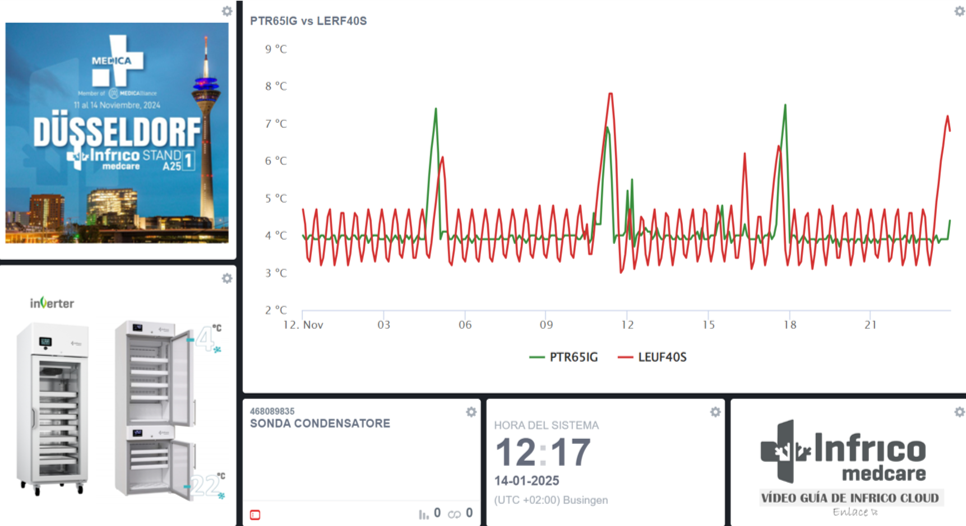
This cooling approach may be sufficient for installations with low thermal demand. However, as the thermal load increases, as is common in restaurants, supermarkets or pharmacies, temperature fluctuations, higher energy consumption and mechanical wear become much more noticeable.
Inverter technology: a qualitative leap
The key difference with inverter technology is that the system does not simply switch on or off. Instead, it continuously adjusts its output according to the real cooling demand.
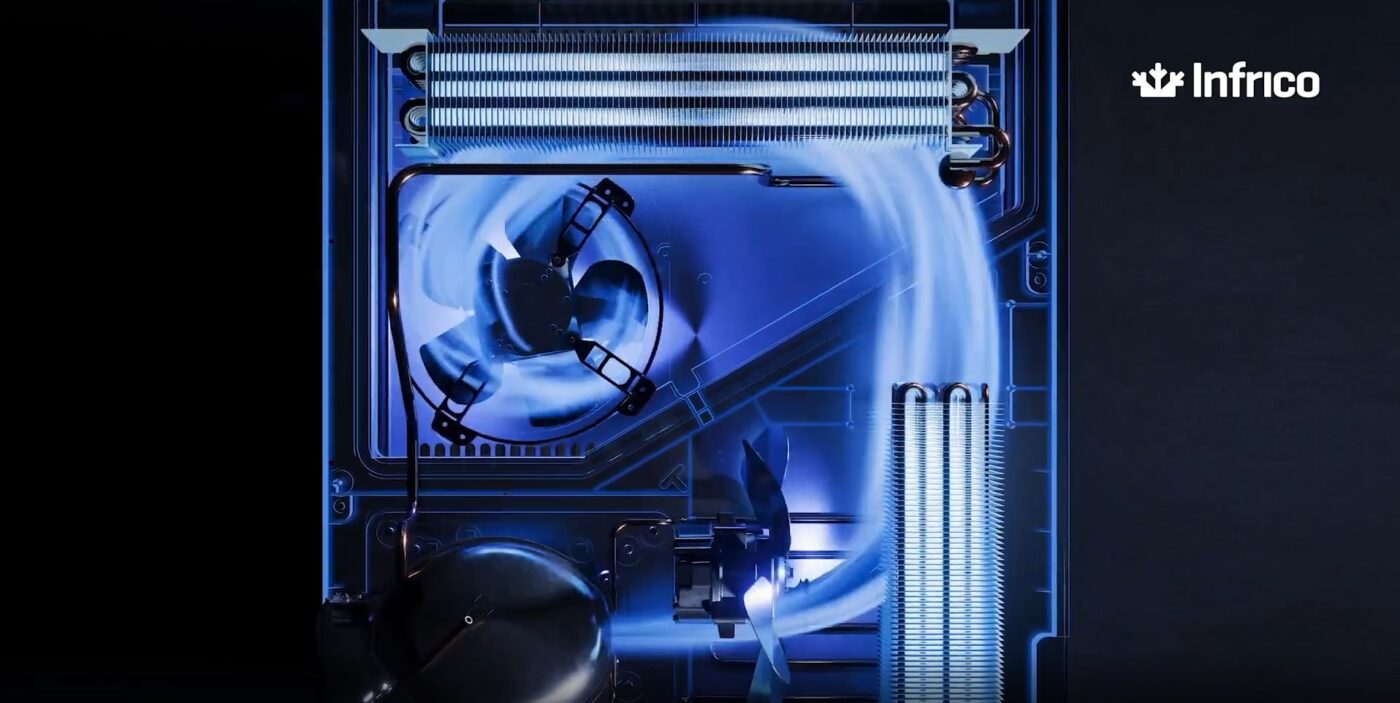
This is achieved through an electronic inverter that allows the compressor to vary its rotational speed. In practice, this means: when demand is high, the compressor speeds up, when the thermal load decreases, it slows down rather than stopping completely
The result is smoother, more adaptive operation. Instead of always running at maximum capacity and then shutting down, the system responds proportionally to what is actually required.
Why does this difference matter across different sectors?
HORECA (Hospitality)
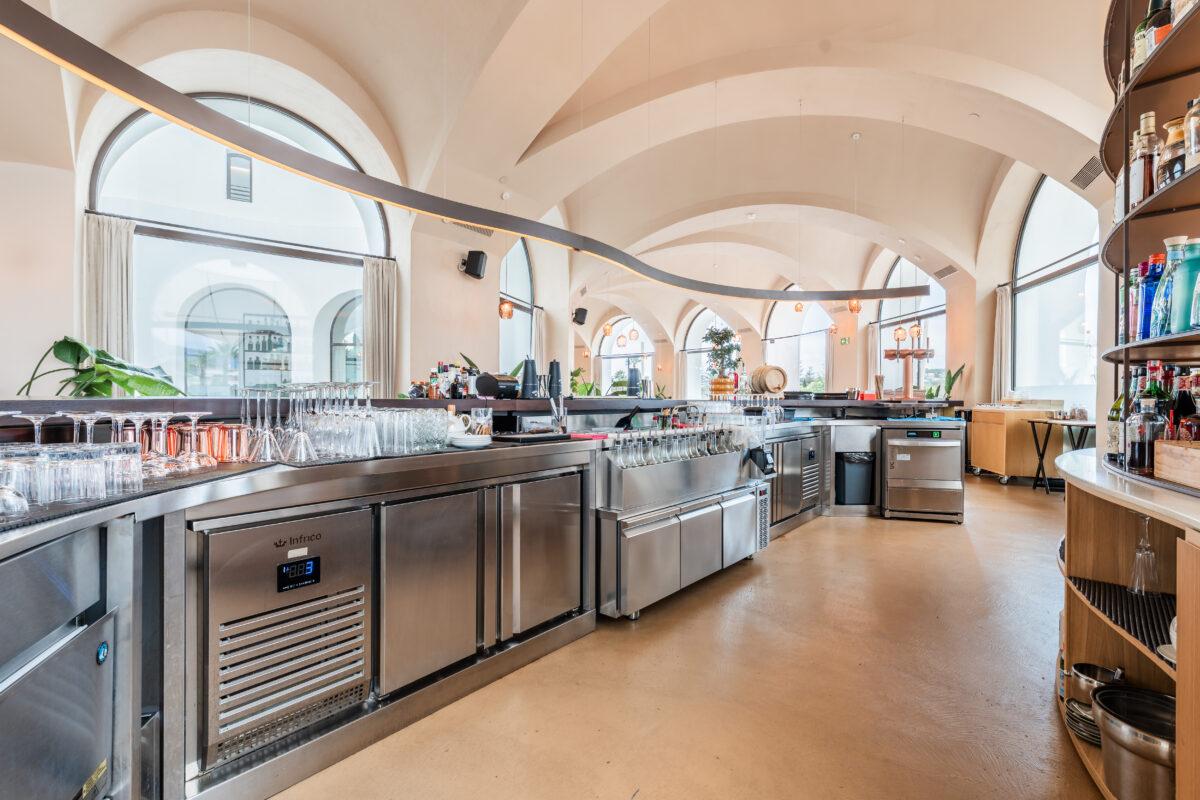
In restaurants, bars and professional kitchens, the thermal load is constantly changing: ovens running, frequent door openings, and peaks of activity during service hours.
This environment requires a system that can adapt in real time. Inverter technology modulates power output, helping to avoid energy spikes while maintaining a more consistent temperature for sensitive products such as dairy, meat and prepared foods.
Retail and supermarkets
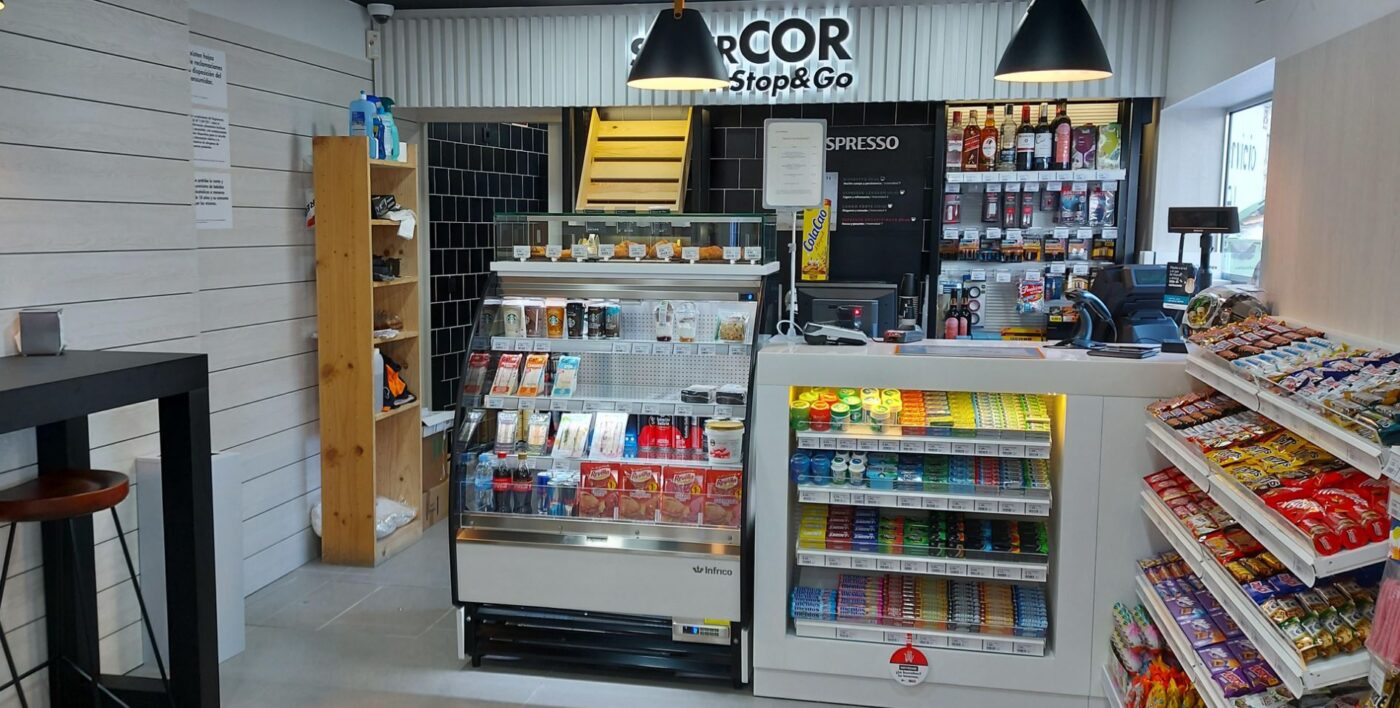
In food retail, maintaining the cold chain is essential to guarantee product freshness and safety.
Temperature fluctuations can lead to financial losses caused by product degradation or potential health risks. In these environments, a system capable of maintaining stable thermal conditions can make a significant difference in both product quality and commercial performance.
Inverter technology: continuous adaptation to demand
Inverter systems introduce a fundamentally different approach. Instead of operating only in on or off modes, the unit continuously adjusts its output according to the real thermal load.
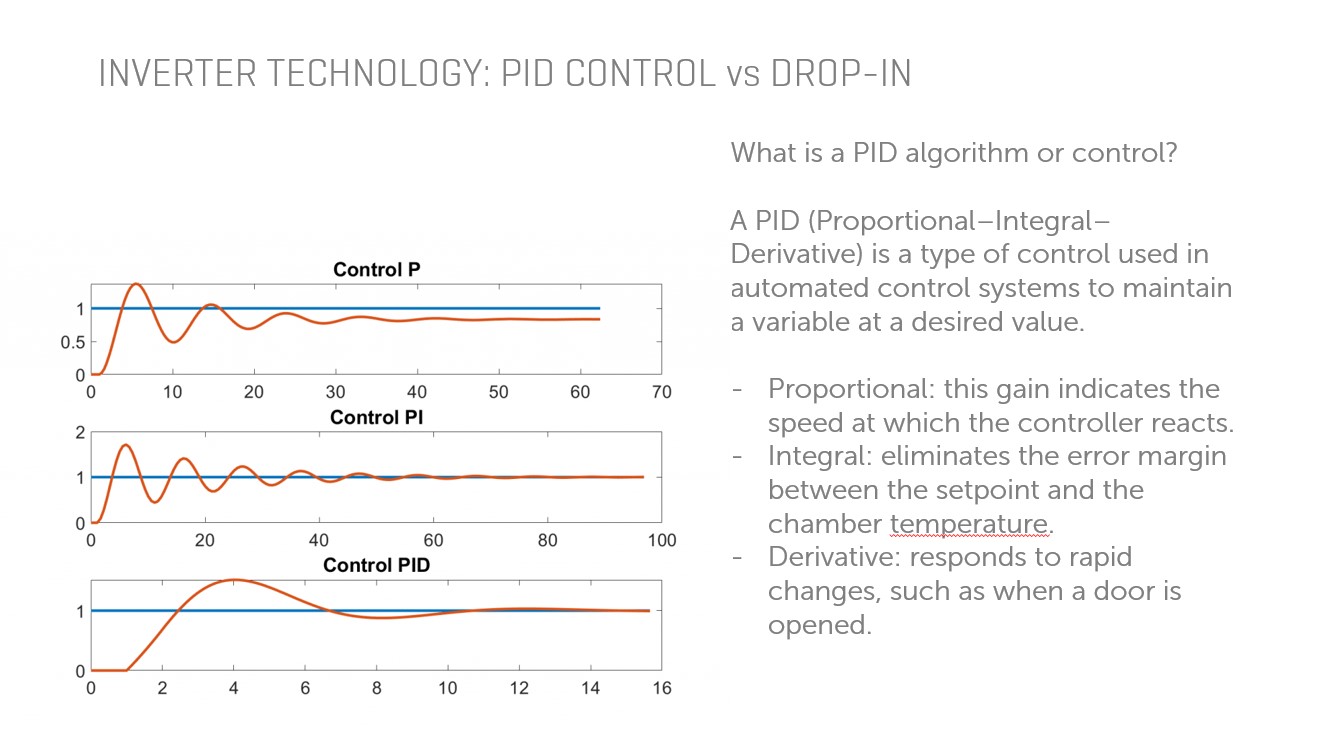
This is made possible by an electronic drive that allows the compressor to change its speed. In practical terms: when demand increases, the compressor accelerates, when the cooling load decreases, the compressor reduces its output rather than shutting down
The result is more stable, efficient and progressive operation. The system no longer needs to repeatedly start from zero; instead, it continues operating at exactly the level required.
Beyond efficiency: what you actually gain
While the difference in energy consumption is one of the most frequently cited arguments in favour of inverter technology, it is not the only advantage.
An inverter unit does more than simply reduce overall energy usage by avoiding power spikes and adapting output to demand. It also reduces mechanical wear, as the system avoids the frequent start–stop cycles that place stress on key components.
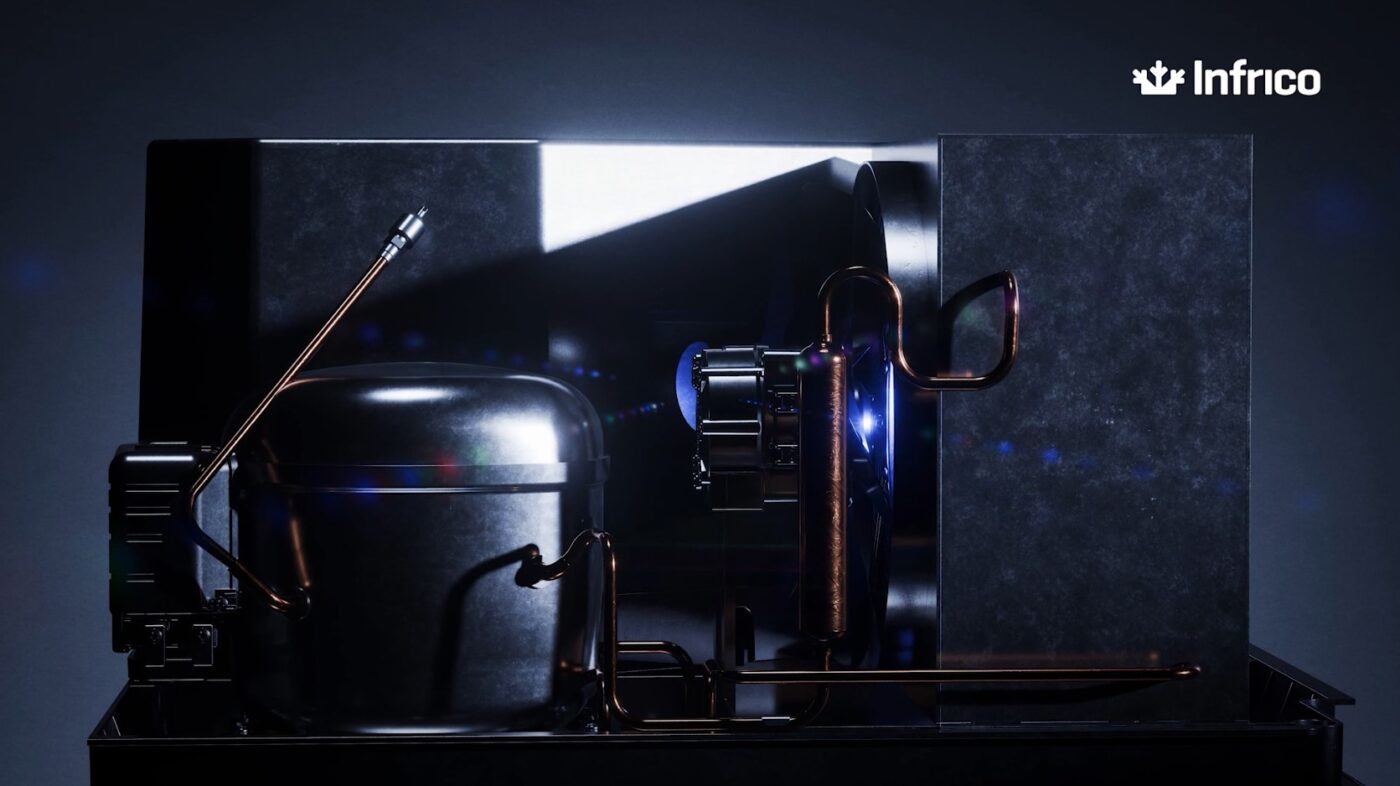
Furthermore, this continuous operation reduces internal temperature fluctuations, providing better protection for sensitive products and lowering the risk of spoilage. In sectors where every degree matters, that level of precision can make a real difference.
So… how do you choose?
The answer is not always “inverter” or always “ON-OFF”. The right choice depends on the specific requirements of the installation.
If you are installing a unit in a small business with low thermal load and occasional use, a traditional system may perform adequately. However, in environments where temperature must remain stable over long periods, where fluctuations could compromise products, or where cooling demand is constant, an inverter system becomes essential.