





They say every business is a world of its own. In HORECA, even more so.
When it comes to commercial refrigeration, it’s tempting to lump everything together: “A fridge is a fridge.” But it isn’t. Just as a small bistro differs from a hotel buffet serving 200 guests, refrigeration needs vary too.
And here’s the hard truth: choosing the wrong equipment isn’t neutral. It comes at a cost — in energy consumption, breakdowns, spoiled food, and operational stress.
Let’s do it right. Here’s how to choose the best refrigeration equipment for your HORECA business.
Restaurants: When Pace Matters
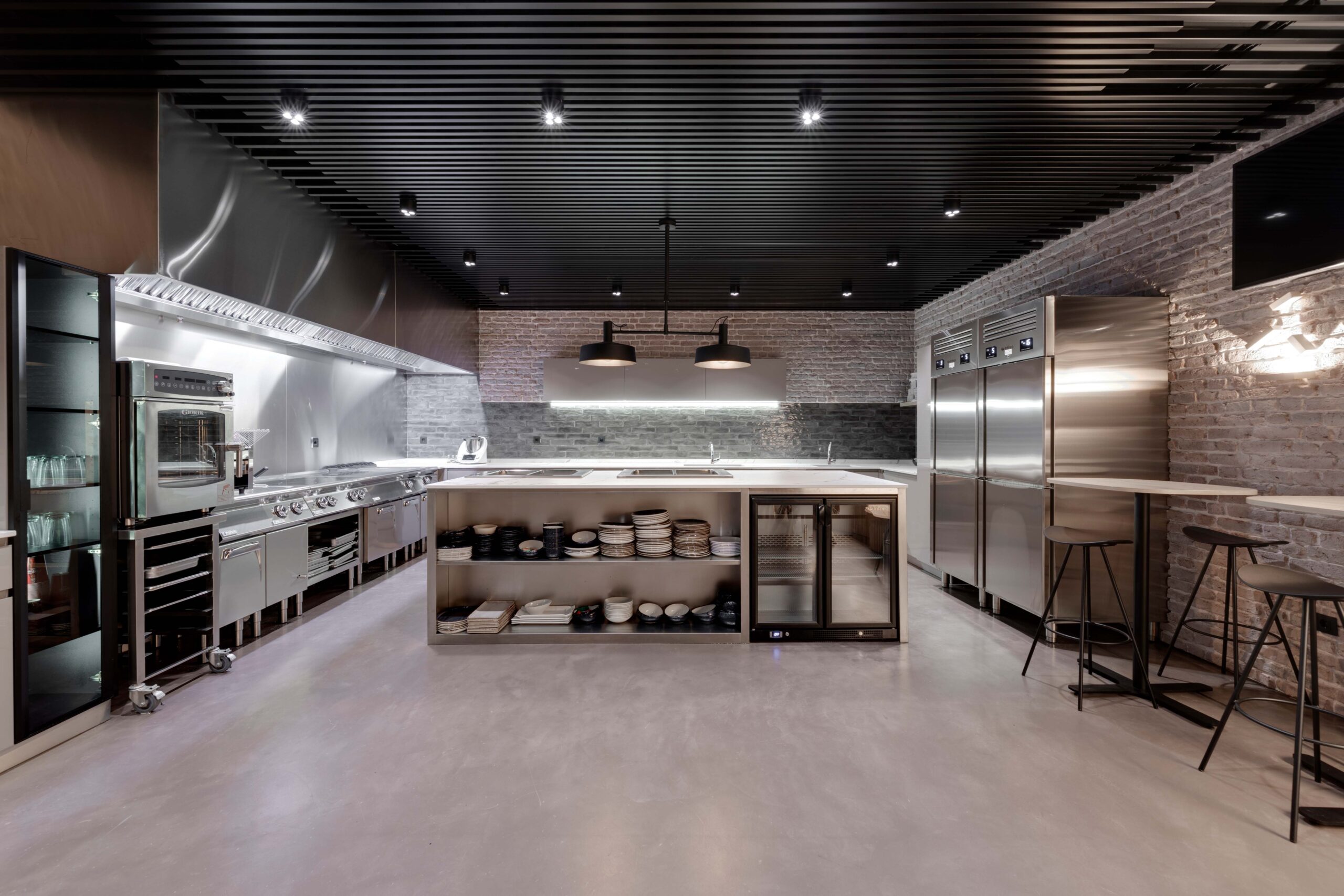
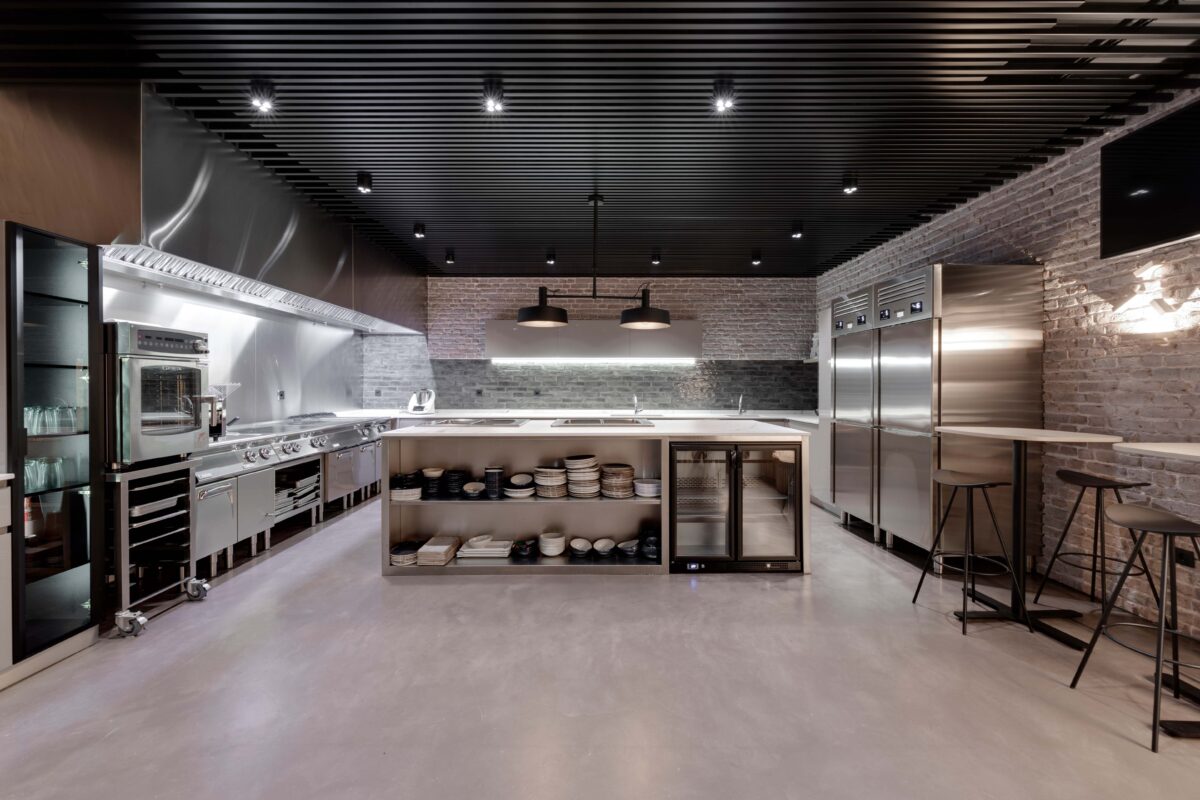
A professional restaurant needs durability, temperature stability, and ergonomic design. Ideal solutions include:
- GN 2/1 refrigerated and freezer cabinets built for intensive kitchen work.
- Stainless steel versions, interior and exterior, for demanding environments.
- Gastronorm refrigerated prep tables that allow cooking and storage in the same space.
- Models with configurable doors and drawers suited to workflow.
In restaurants, the question isn’t just “what capacity do I need?” Consider: Do I use GN trays? What’s my turnover volume? Do I need storage for fresh or frozen? How fast do I need access during service? The equipment must keep up with the pace.
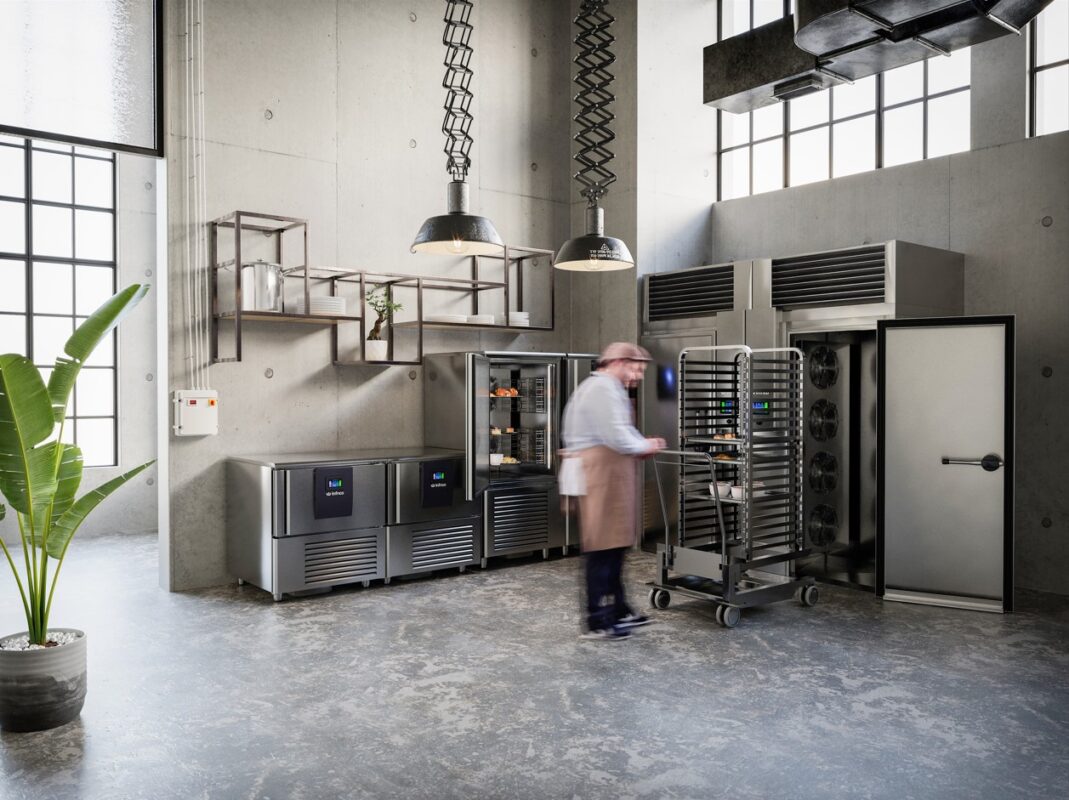
Hotels and Large Kitchens: Volume and Reliability
In hotels, catering, or central kitchens, the priority is clear: capacity and continuity. Recommended solutions include:
- Large-capacity refrigerated and freezer cabinets.
- Storage solutions designed for organisation.
- Equipment with precise temperature control.
- Configurations adapted for advance production.
With continuous service, refrigeration cannot fail. It must maintain stability even with frequent door openings.
Cafés and Compact Businesses: Maximise Every Inch
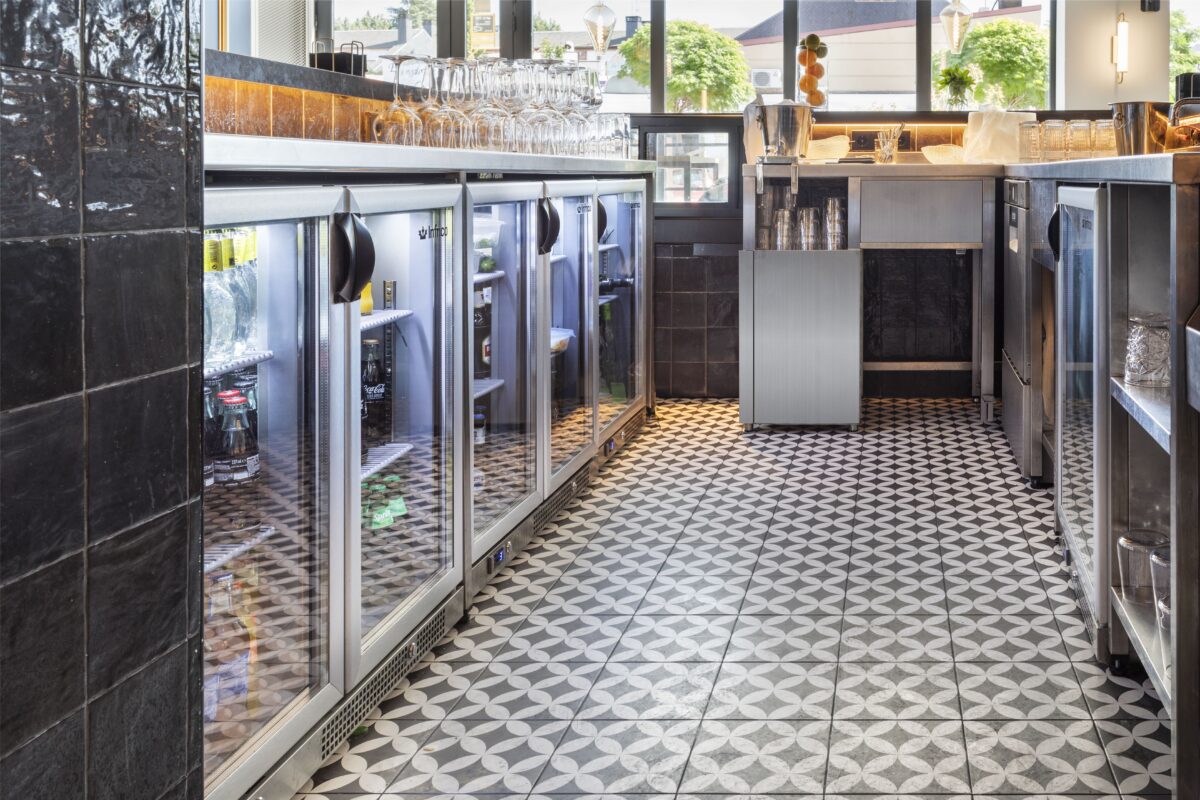
Not all HORECA operations require high volume. In small spaces, the right equipment matters:
- Undercounter cabinets.
- Compact snack-style units.
- Shallow refrigerated prep tables.
- Solutions that integrate into bars or tight work areas.
The goal isn’t just to store products, but to do so without taking up valuable workspace. Oversized equipment can be as problematic as undersized.
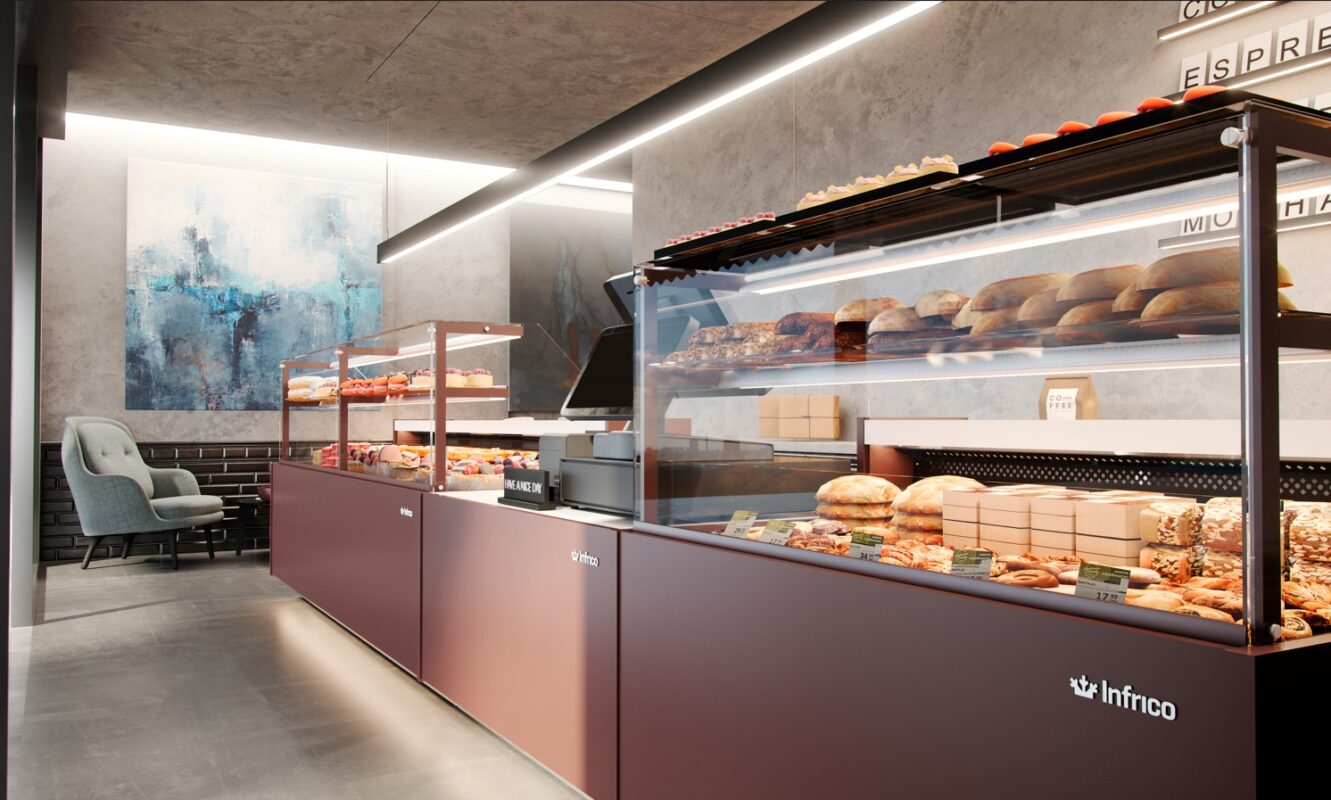
Pastry Shops and Bakeries: Control and Specialisation
In patisserie, refrigeration isn’t generic. Essential features include:
- Stable temperature control.
- Tray-specific configurations.
- Appropriate storage for delicate products.
Specialist pastry cabinets make the difference, as products react differently to humidity and ventilation. Precision matters when handling delicate creations.
Chilling or Freezing: They Aren’t the Same
It seems obvious, but mistakes happen:
Chilling:
- Keeps products fresh.
- Maintains stable positive temperatures.
- Supports high turnover.
- Constant negative temperatures.
- Higher energy demands.
- Reinforced insulation.
Choosing incorrectly impacts both energy costs and product quality.
Beyond business type, essential variables include:
- Actual usable capacity.
- GN 2/1 or other tray compatibility.
- Refrigerant type.
- Energy efficiency.
- Ease of maintenance.
- Interior configuration (shelves, guides, drawers).
It’s not just buying a fridge, it’s integrating a tool that supports your workflow.
In short: “Choose refrigeration that understands how you work, and it will stop being a problem.” In HORECA, refrigeration shouldn’t stand out: it should just work.